
The Art of Doing Nothing: Designing a Home That Lets You Rest
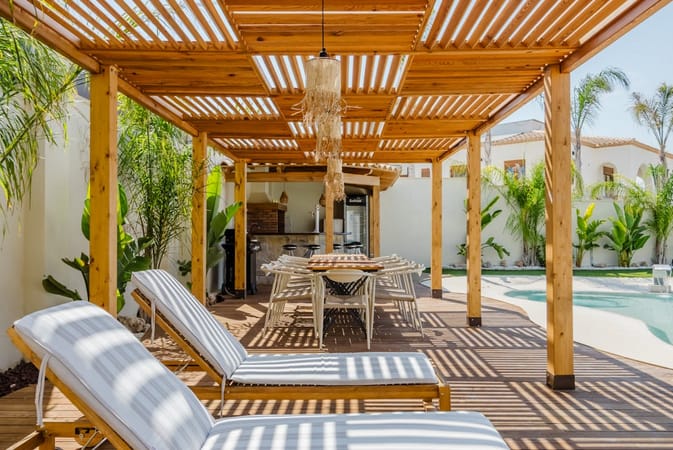
Doing nothing sounds simple, but in a world that constantly pushes productivity, real rest can feel surprisingly difficult. Even at home, where relaxation is supposed to happen naturally, distractions, clutter, and overstimulation can get in the way. The truth is, rest isn’t just something you do—it’s something your environment can either support or disrupt. Designing a home that encourages stillness can make it easier to slow down, breathe, and genuinely recover.
Create Spaces That Invite Stillness
A restful home starts with intentional spaces that don’t demand anything from you. This might be a quiet corner with a chair that feels good to sit in, or a window spot where you can simply watch the outside world. The key is to design areas that don’t have a function beyond being calming. When a space invites you to pause without expectation, it becomes easier to slip into moments of doing nothing.
Reduce Visual Noise
Clutter isn’t just physical—it’s mental. Too many objects, colors, or competing visual elements can make it harder for your mind to relax. A restful home doesn’t have to be empty or minimalist, but it should feel intentional. When your surroundings are visually calm, your mind has fewer things to process, which creates more space for rest.
Use Light to Set the Mood
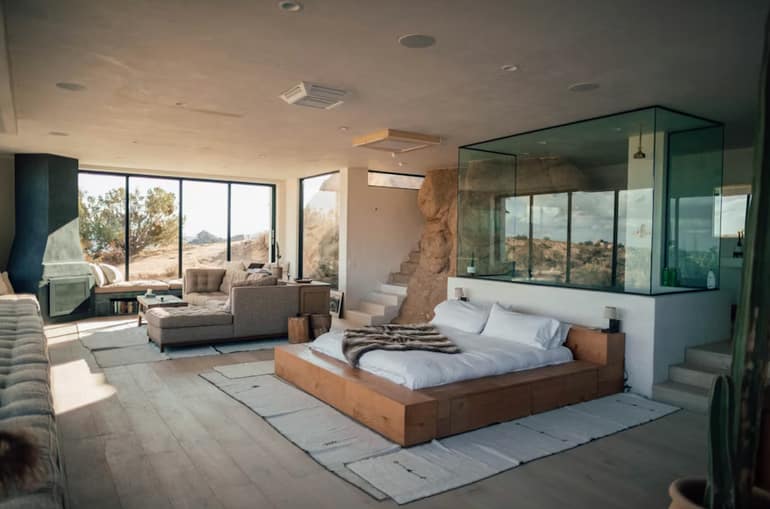
Lighting has a powerful effect on how a space feels. Harsh overhead lighting can make a room feel more like a workspace than a place of rest. Softer, warmer lighting helps signal to your brain that it’s time to slow down. Natural light during the day and gentle lamps in the evening can create a rhythm that supports relaxation throughout the day.
Let Silence Become Part of the Design
We often underestimate how rare true quiet has become. Background noise from devices, traffic, or constant media can keep the mind in a low level of alertness. Designing for rest means allowing silence to exist. This might involve turning off unnecessary notifications, limiting background media, or simply creating moments where nothing is playing or buzzing in the background.
Choose Furniture That Encourages Rest

Comfort plays a huge role in how easily we can relax. Furniture that supports your body well—whether it’s a sofa you can sink into or a chair that fits your posture—can make it easier to stay resting. When your physical environment feels good, your mind is more likely to follow. Rest shouldn’t require effort, and the right furniture helps remove that friction.
Slow Down the Energy of the Home
Every home has a kind of rhythm, shaped by habits and routines. A restful home tends to have a slower, gentler energy. This doesn’t mean everything has to be quiet all the time, but it does mean being mindful of constant rush or overstimulation. Small choices, like leaving space between activities or not over-scheduling your day, contribute to a home that feels more like a refuge than a command center.
The art of doing nothing isn’t about avoiding life—it’s about creating conditions where rest is possible and welcome. A home that supports rest doesn’t demand constant attention or activity; instead, it offers calm, space, and permission to slow down. When your environment aligns with that intention, doing nothing stops feeling like wasted time and starts feeling like something essential. In that space, rest becomes not just possible, but natural.…


